 Reviews


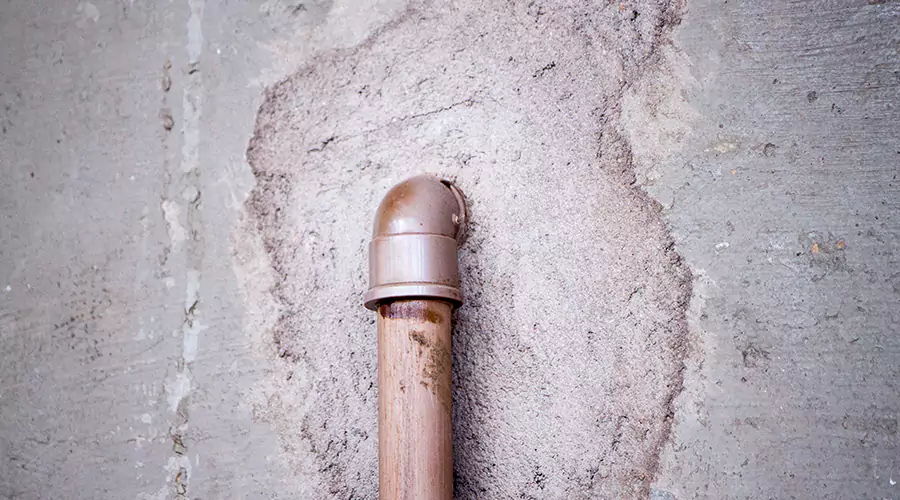
A plumbing leak inside your walls is one of the most damaging problems a homeowner can face. Unlike visible leaks under a sink or from a faucet, wall leaks often go unnoticed for weeks or months. By the time you spot the signs, significant damage may already be done. Early detection and prevention are the keys to protecting your home from costly water damage, mold growth, and structural issues.
In this guide, you will learn how to identify the warning signs of a wall leak, how to locate it, and how to prevent one from happening in the first place.
Why Wall Plumbing Leaks Are So Dangerous?
Water leaking inside your walls can cause a chain of serious problems that go far beyond a simple repair. Left untreated, wall leaks can lead to:
- Mold and mildew growth that poses serious health risks to your family
- Rotting wood in wall studs, floor joists, and structural framing
- Damaged drywall that crumbles and weakens over time
- Pest infestations as moisture attracts insects and rodents
- Skyrocketing water bills from constant water loss
The longer a wall leak goes undetected, the more expensive the repair becomes. That is why knowing the warning signs is so important.
Warning Signs of a Plumbing Leak in Your Walls
1. Unexplained Increase in Your Water Bill
One of the earliest and most reliable indicators of a hidden leak is a sudden spike in your monthly water bill. If your usage habits have not changed but your bill keeps climbing, water is likely escaping somewhere it should not be. Compare bills from the past few months to spot the trend.
2. Water Stains or Discoloration on Walls
Yellow, brown, or copper-colored stains on your walls or ceiling are a strong sign that water is seeping through. These stains often appear in rings or patches and grow larger over time. Do not ignore paint that is bubbling, peeling, or warping either, as these all indicate moisture behind the surface.
3. Musty or Damp Odors
A persistent musty smell in a room, even after cleaning, often points to mold or mildew growing inside the wall cavity. Mold thrives in dark, damp spaces and can begin growing within 24 to 48 hours of water exposure. If a room smells consistently damp without an obvious reason, a wall leak may be the culprit.
4. Warped or Buckling Walls
When moisture builds up behind drywall, the material absorbs the water and begins to warp, buckle, or feel soft to the touch. Run your hand along your walls periodically. If any area feels unusually soft or spongy, that is a clear red flag worth investigating right away.
5. Sound of Running Water
If you hear dripping or running water when all fixtures are turned off, there is a strong chance water is moving through a damaged pipe inside your wall. This sound is especially noticeable at night when the house is quiet.
6. Visible Mold Patches
Mold appearing on walls, especially away from bathrooms or kitchens, almost always signals a hidden moisture source. Small dark spots that spread over time should never be dismissed as surface-level dirt and require immediate investigation.
How to Locate a Leak Inside Your Walls?
Once you suspect a leak, pinpointing its location can save you time and money. Here are the most effective methods:
- Check your water meter: Turn off all water in your home and watch the meter. If it continues to move, water is leaking somewhere in your system.
- Use a moisture meter: These affordable tools detect elevated moisture levels behind drywall without cutting into the wall.
- Infrared thermometer or thermal camera: Temperature differences behind walls can reveal where water is present. Many professional plumbers use this technology for precise leak detection.
- Listen carefully: Press your ear gently against the wall to listen for the faint sound of dripping water.
- Call a licensed plumber: If you cannot locate the leak yourself, a professional plumber can perform a full diagnostic using camera inspection and pressure testing equipment.
How to Prevent Plumbing Leaks in Your Walls?
Prevention is always better than repair. Follow these proactive steps to protect your home's plumbing from wall leaks.
Schedule Regular Plumbing Inspections
Having a licensed plumber inspect your system once a year can catch small issues before they turn into major leaks. During a routine visit or emergency plumbing repair, they can check pipe joints, fittings, and water pressure levels that may be putting strain on your pipes.
Monitor Your Water Pressure
High water pressure is a leading cause of pipe stress and leaks. The ideal residential water pressure is between 40 and 60 PSI. Install a pressure gauge on your main line and consider adding a pressure regulator if readings are consistently too high.
Insulate Your Pipes
Pipes that are not properly insulated can freeze during cold weather and burst when the ice expands. Use foam pipe insulation on pipes in exterior walls, basements, and crawl spaces to protect them through winter.
Replace Aging Pipes Proactively
Most pipe materials have a lifespan. Galvanized steel pipes last around 20 to 50 years, copper pipes around 50 to 70 years, and older clay or cast iron pipes even less. If your home has older plumbing, speak to a plumber about a proactive pipe assessment or replacement plan before problems arise.
Fix Small Leaks Immediately
Never ignore a small drip or minor leak thinking it will resolve itself. Even tiny leaks worsen over time and can lead to the serious wall damage described above. Address any leak as soon as it is discovered.
Final Thoughts
Plumbing leaks inside walls are a silent threat, but entirely manageable when caught early and prevented properly. Stay alert to the warning signs, invest in annual inspections, and take care of small plumbing issues before they grow. A little attention today can save you thousands of dollars in repairs down the road.
Stay one step ahead of plumbing leaks and protect your walls, your home, and your peace of mind.
Frequently Asked Questions
What are the early signs of a plumbing leak inside the walls that homeowners should watch for?
Look for water stains on walls or ceilings, mold growth, peeling paint, and a sudden increase in your water bill. If you hear the sound of running water or notice a musty odor, these are strong indicators of a hidden leak.
What are some effective methods to prevent plumbing leaks behind walls?
Regularly inspect plumbing systems, especially in areas with high water usage. Proper insulation, maintaining water pressure, and checking for corrosion on pipes can help prevent future leaks. Additionally, installing leak detection systems can help spot issues early.
How can I avoid the high costs of fixing a leak behind the wall?
Preventative maintenance is key ensure your pipes are in good condition, avoid high water pressure, and replace old or rusted pipes. Early detection through routine inspections or using smart leak sensors can save significant repair costs down the line.
What tools or technologies can help me detect leaks behind walls before they cause major damage?
There are various technologies like moisture meters, infrared cameras, and acoustic leak detectors that professionals use to pinpoint leaks without causing damage to walls or ceilings. These tools help detect leaks early, reducing damage and repair costs.
What should I do if I suspect a plumbing leak behind my wall?
Immediately turn off the water supply to prevent further damage and call a licensed plumber to inspect the issue. Delaying can lead to mold growth, structural damage, and a significant increase in repair costs.